
- Small changes can make a big difference: Even basic maintenance, weight reduction, and smart tuning can noticeably improve your car’s speed and responsiveness without expensive upgrades.
- Engine upgrades are central to performance: Cold air intakes, performance exhausts, turbochargers, superchargers, and ECU tuning can significantly boost horsepower and throttle response.
- Weight reduction enhances acceleration and handling: Removing unnecessary items and replacing heavy parts with lighter alternatives improves 0–60 times and cornering.
- Suspension, tires, and brakes are crucial: Upgrading shocks, springs, sway bars, high-performance tires, and brake components ensures you can safely harness added power.
- Aerodynamics matter at higher speeds: Splitters, spoilers, underbody panels, and lightweight wheels reduce drag, improve stability, and enhance handling.
- Balanced upgrades outperform single mods: Combining engine, handling, braking, weight, and aerodynamic improvements maximizes safe performance gains.
- Track and monitor progress: Use dynos, timed runs, and careful testing to evaluate each upgrade, fine-tune performance, and avoid over-stressing your vehicle.
If you’ve ever dreamed of making your car feel more responsive, accelerate faster, or simply gain a bit more thrill behind the wheel, you’re in the right place. Making your car faster isn’t just about raw horsepower—it’s about improving every aspect of performance, from the engine and suspension to aerodynamics and tires. In this guide, we’ll cover everything you need to know, whether you’re a DIY enthusiast, a weekend racer, or someone who wants to get the most out of their daily driver.
Can You Really Make Your Car Faster Without Major Modifications?
The short answer is yes. Even small changes can improve your car’s speed and responsiveness. Simple maintenance, weight reduction, and smart tuning can create noticeable improvements without spending thousands of dollars. Many performance gains come from optimizing existing systems rather than just adding aftermarket parts.
Key areas to consider include:
- Engine efficiency
- Weight reduction
- Tire performance
- Aerodynamics
- Smart tuning
Focusing on these fundamentals will help your car reach its full potential.
How Can Engine Upgrades Boost Speed?
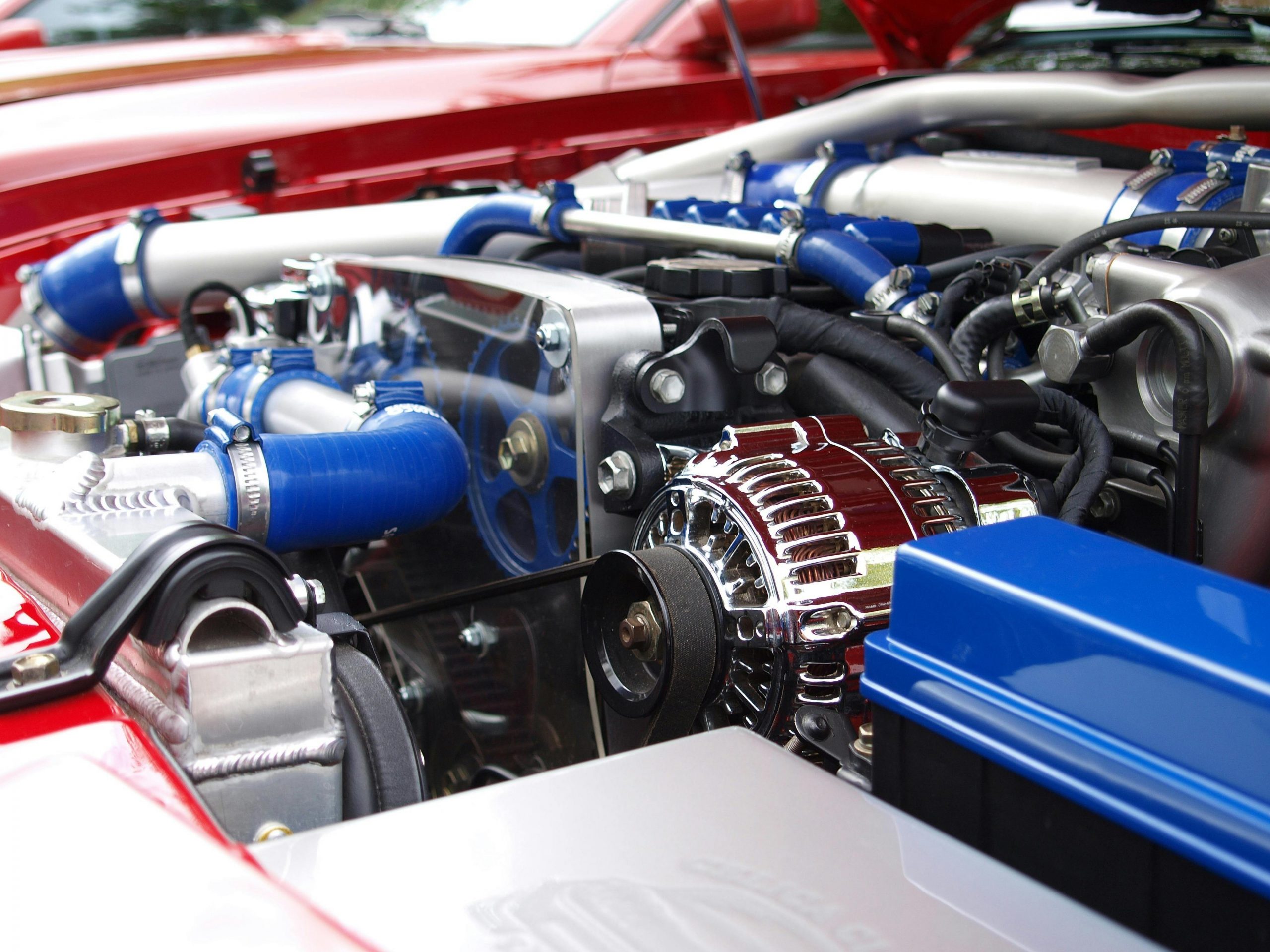
The engine is the heart of your car, and optimizing it is one of the most effective ways to make your car faster. Engine upgrades can range from simple modifications that improve airflow to advanced forced-induction systems that dramatically increase horsepower. The key is understanding how each upgrade affects performance, reliability, and your budget.
Cold Air Intakes
A cold air intake (CAI) replaces the factory air filter and intake system with a design that draws cooler air from outside the engine bay. Cooler air is denser, meaning it contains more oxygen. More oxygen in the combustion chamber allows fuel to burn more efficiently, producing more power.
Benefits of a Cold Air Intake:
- Increases horsepower by 5–15 HP on most naturally aspirated engines.
- Improves throttle response for a quicker, more responsive feel.
- Can slightly enhance fuel efficiency due to more efficient combustion.
- Adds a more aggressive engine sound during acceleration.
Tips:
- Make sure the intake is positioned away from hot engine components to truly get cold air.
- Pairing a CAI with an upgraded exhaust can maximize performance gains.
Exhaust Upgrades
A performance exhaust system reduces backpressure by allowing exhaust gases to flow more freely. Stock exhausts are often designed for noise reduction and emissions compliance, which can restrict airflow and limit engine performance.
Benefits of a Performance Exhaust:
- Improves acceleration and top-end horsepower.
- Produces a more aggressive, sporty exhaust note.
- Can improve turbocharger efficiency by reducing exhaust resistance.
Types of Upgrades:
- Cat-back exhausts: Replace components from the catalytic converter to the tailpipe.
- High-flow catalytic converters: Reduce restriction while remaining street-legal in many regions.
- Headers: Replace factory exhaust manifolds for better exhaust scavenging and power gains.
Turbochargers and Superchargers
Forced induction systems are among the most effective ways to boost engine output. They compress intake air, allowing more oxygen into the combustion chamber, which results in more power per combustion cycle.
Turbochargers:
- Driven by exhaust gases, which spin a turbine to compress intake air.
- Can produce significant horsepower gains, often 30–100+ HP depending on the setup.
- Introduces “turbo lag,” a short delay before the boost kicks in, which can be minimized with proper tuning.
Superchargers:
- Belt-driven off the engine crankshaft, providing instant boost across the RPM range.
- Eliminates turbo lag, giving immediate throttle response.
- Typically produces a more linear power delivery, ideal for street driving.
Important Notes:
- Both turbo and supercharger upgrades require proper tuning to avoid engine knock or overboost.
- Supporting modifications, like upgraded fuel injectors, intercoolers, and stronger internals, may be necessary for high-power builds.
ECU Tuning and Chip Upgrades
Modern cars rely heavily on their ECU (Engine Control Unit) to control fuel delivery, ignition timing, and boost levels. Performance tuning, often called “chip tuning,” can unlock hidden power without physically changing engine components.
Benefits of ECU Tuning:
- Adjusts fuel mapping and ignition timing for more efficient combustion.
- Optimizes turbo or supercharger boost levels.
- Can provide 10–30 HP gains on naturally aspirated engines, more on forced-induction setups.
- Enhances throttle response and overall drivability.
Tips:
- Always use a reputable tuner or software to avoid damaging your engine.
- Pair tuning with mechanical upgrades like intake and exhaust for maximum gains.
- Monitor engine parameters like air-fuel ratio and temperature after tuning.
How Important Is Weight Reduction?
Weight directly affects acceleration, braking, and cornering. Every pound you remove from your car is a pound your engine doesn’t have to move. Even minor reductions can create noticeable improvements in performance.
Ways to Reduce Weight
- Remove unnecessary items: Clear the trunk, cabin, and under-seat storage of heavy tools, spare tires, or other non-essential items.
- Lightweight parts: Swap stock hoods, body panels, or wheels for carbon fiber or aluminum alternatives.
- Seats: Replace bulky factory seats with performance-oriented, lightweight options. Racing seats can save 20–50 lbs alone.
- Brake rotors and suspension components: Upgrading to lighter alternatives reduces unsprung weight, improving handling and responsiveness.
Practical Tip:
- Start with the low-hanging fruit: cleaning out your car. Removing a few hundred pounds of clutter often costs nothing but can noticeably improve 0–60 times.
Weight reduction doesn’t have to be expensive—it’s about optimizing every part of the car to work efficiently.
Can Suspension and Tires Make a Difference?

Even the fastest engine is limited by traction. Suspension and tire upgrades enhance grip, handling, and stability, allowing you to safely harness more power.
Suspension Upgrades
- Performance shocks and struts: Improve stability by controlling body movement during acceleration, braking, and cornering.
- Lowering springs or coilovers: Lower the car’s center of gravity, reducing body roll and improving responsiveness.
- Sway bars: Reduce lean in corners, keeping more tire contact on the road.
- Bushings: Upgrading rubber or polyurethane bushings increases precision in steering and suspension movement.
Tip: A well-tuned suspension can make your car feel faster even without increasing horsepower.
Tire Upgrades
- High-performance tires: Offer better grip in both wet and dry conditions, reducing wheel spin and improving acceleration.
- Wider tires: Increase the contact patch for better cornering and braking performance.
- Tire maintenance: Keep tires inflated to manufacturer-recommended pressures for optimal performance.
Tip: Tires are often the limiting factor in performance upgrades. No matter how powerful your engine is, poor tires will hold you back.
Brakes
While brakes don’t increase speed, upgrading them allows you to safely push your car harder. High-performance brake pads, rotors, and calipers reduce stopping distance and fade during spirited driving.
- Performance brake pads: Provide consistent stopping power at high temperatures.
- Slotted or drilled rotors: Improve heat dissipation and reduce fade.
- Upgraded brake fluid: Higher boiling point fluid ensures reliable braking under extreme conditions.
Strong brakes give you the confidence to accelerate harder, brake later, and enjoy higher cornering speeds safely.
Are DIY Mods Worth It?
If you’re looking to make your car faster without spending thousands, DIY upgrades are a great place to start.
Easy DIY Mods
- Upgraded air filters: Improve airflow and engine efficiency.
- Lightweight pulleys: Reduce rotational mass for slightly faster acceleration.
- High-performance spark plugs: Ensure efficient combustion.
- Fuel additives: Can help improve performance and fuel efficiency.
DIY mods often provide incremental gains but can be combined for a noticeable difference.
How Can Aerodynamics Help Your Car Go Faster?
Reducing drag isn’t just for supercars. Even small aerodynamic tweaks can make your car more efficient at higher speeds.
Aerodynamic Upgrades
- Front splitters and rear spoilers help manage airflow and reduce lift.
- Smooth underbody panels reduce turbulence beneath the car.
- Lightweight, aerodynamic wheels can reduce drag and rotational mass.
Improved aerodynamics also enhances stability, which is crucial for fast cornering and high-speed driving.
Is ECU Tuning Safe for Your Engine?
ECU tuning can significantly boost performance, but it must be done correctly. Incorrect tuning can cause engine knock, overheating, or long-term damage. Always use reputable tuners or software, and ensure your car’s fuel system, cooling, and mechanical components can handle the added power.
How to Make Your Car Faster Without Compromising Daily Comfort
Not everyone wants a racecar on the street. Some mods increase performance while keeping your car comfortable for everyday use:
- ECU tuning with mild power increases: Boost performance without aggressive settings.
- Performance suspension with adjustable dampers: Maintain comfort on regular roads.
- High-performance all-season tires: Offer grip without extreme stiffness.
- Weight reduction in non-essential areas: Keep comfort items like seats and AC intact.
This approach lets you enjoy faster acceleration and better handling while still using your car for daily driving.
What Are Common Mistakes When Trying to Make Your Car Faster?
Even enthusiasts can make mistakes that limit performance or damage their car:
- Focusing only on horsepower: Speed isn’t just about engine output; handling, brakes, and tires matter too.
- Neglecting maintenance: Worn spark plugs, dirty filters, or low-quality oil reduce performance.
- Mixing incompatible mods: Some upgrades require complementary changes; mismatched parts can harm performance.
- Ignoring safety: Faster cars need better brakes, tires, and suspension to handle increased speeds safely.
By avoiding these mistakes, you ensure your upgrades provide real benefits without unnecessary risk.
How to Make Your Car Faster Step by Step
Here’s a practical roadmap for anyone looking to improve performance:
- Start with maintenance
- Oil change, spark plugs, air filter, and fluids.
- Ensure tires are properly inflated and brakes are in good condition.
- Reduce weight
- Remove unnecessary items from your car.
- Replace heavy components with lighter alternatives.
- Upgrade airflow
- Install a cold air intake and performance exhaust.
- Consider forced induction
- Turbocharger or supercharger if your car supports it.
- Tune your ECU
- Reprogram ECU or install a performance chip.
- Improve handling
- Upgrade suspension, brakes, and tires.
- Fine-tune aerodynamics
- Add splitters, spoilers, and underbody panels if needed.
- Test and adjust
- Take your car for controlled drives to feel the difference.
- Adjust suspension, tire pressures, or tuning as needed.
Following these steps ensures a balanced approach that improves speed, handling, and safety.
Can You Combine Mods for Maximum Performance?
Yes, combining mods is often more effective than focusing on one area. For example, adding a turbocharger without upgrading tires or brakes can be dangerous. A balanced approach—engine, suspension, tires, brakes, and aerodynamics—provides the best results.
Combination examples:
- Cold air intake + performance exhaust + ECU tune = noticeable horsepower gains.
- Weight reduction + suspension upgrade + performance tires = better acceleration and cornering.
- Turbo upgrade + ECU tuning + upgraded brakes = maximum safe performance.
How Much Should You Expect to Spend?
Performance upgrades can range from a few hundred dollars to tens of thousands. Your budget will dictate which path you take:
- Low-budget: Air filters, spark plugs, lightweight pulleys, and basic ECU tweaks ($100–$500).
- Mid-range: Cold air intake, performance exhaust, coilovers, high-performance tires ($1,000–$5,000).
- High-end: Turbo or supercharger kits, full ECU tuning, lightweight body components ($5,000+).
Remember, expensive parts aren’t always better if they’re not installed and tuned correctly.
Should You Track Your Progress?
Yes. Tracking performance helps you understand the impact of each modification:
- Use a dynamometer (dyno) to measure horsepower and torque.
- Record 0–60 mph times and quarter-mile runs.
- Track lap times if you use a track.
- Monitor fuel consumption and engine health.
This data helps refine upgrades and ensures you’re making meaningful gains.
Final Thoughts: Making Your Car Faster Is a Journey
Making your car faster is about more than raw speed—it’s about creating a well-rounded, responsive, and enjoyable driving experience. From small DIY mods to serious performance upgrades, every change contributes to a car that feels faster, handles better, and provides more driving excitement.
Focus on balance, safety, and proper tuning, and you’ll enjoy improvements that last for years. Whether your goal is a daily driver with extra pep or a weekend track machine, the steps above give you a roadmap to maximize your car’s potential.
