
A car accident can scramble your thinking fast. Even a relatively minor crash can leave you staring at dents, warning lights, paperwork, insurance questions, and a long list of decisions you were not planning to make that day. In the middle of that stress, many drivers focus only on the most obvious issue: how bad the outside of the car looks. But what you do next should go beyond appearances.
Make Safety the First Decision, Not the Repair Plan
Right after an accident, the first question is not who is fixing the car. It is whether the car is safe where it is and safe to move at all. If the vehicle is in traffic and can be moved legally and safely, get it to a safer spot. Turn on hazard lights, check for injuries, and avoid assuming that a drivable car is a roadworthy one.
As soon as things are stable, start documenting the vehicle. Take photos of every side, even if the damage appears limited to one area. Capture the wheel positions, broken parts, leaking fluids, shattered lights, deployed airbags, and anything else that could matter later. You want a full record before towing, cleanup, or weather changes erase the evidence.
This is also when you should start thinking ahead to a proper vehicle inspection. Many drivers wait until after an insurance estimate to get a full evaluation, but that can slow everything down or leave important issues unnoticed.
Right after the crash, make a quick checklist:
- Photograph all visible damage
- Note any warning lights on the dash
- Listen for new noises when the car is idling
- Check whether doors, hood, or trunk open normally
- Watch for fluid leaks under the car
- Record anything that feels off in steering or pedal response
That early documentation can save you a lot of headaches later, especially if the damage turns out to be worse than it first looked.
Do Not Judge the Damage by Looks Alone

A bumper can look lightly scuffed while the parts behind it are bent. A fender can be crushed while the rest of the car is largely okay. One of the biggest mistakes people make after an accident is treating visible damage as the whole story.
This is where experienced auto mechanics come in. They know how to spot the less obvious problems that follow an impact, including suspension issues, cooling system damage, wheel misalignment, steering problems, and loose components underneath the vehicle. These are the kinds of problems that may not show up until days later, when the car starts pulling, vibrating, overheating, or wearing tires unevenly.
Scheduling post-accident car services early can help you figure out whether the vehicle is safe to keep using while you decide on the next step. That matters a lot if the accident happened during a busy week and you are tempted to keep driving just because the engine still starts.
Watch for warning signs such as:
- The steering wheel sitting crooked
- The car drifting left or right
- Vibrations at highway speeds
- Grinding, rattling, or clunking sounds
- New dashboard alerts
- Uneven tire position in the wheel well
You do not need to panic over every small symptom, but you do need to treat them as clues. Accidents create more hidden damage than most people expect.
Check the Brakes Before You Return to Normal Driving
Brakes deserve their own category because even a modest collision can affect stopping performance. If the wheel area took a hit, if the car slid into a curb, or if the front suspension shifted, braking can feel different even when the system looks fine from the outside.
A brake repair shop can inspect rotors, calipers, brake lines, hoses, wheel hubs, and other connected parts that may have been stressed in the crash. This is especially important if the car now shakes when stopping, pulls to one side, or feels unstable when you press the pedal.
Do not brush off changes like these:
- A soft or spongy brake pedal
- Pulsing during braking
- Pulling while stopping
- A brake warning or ABS light
- Scraping or grinding sounds
- Longer stopping distances
Some accident-related problems fall into the “watch it and see” category. Brakes do not. If stopping performance feels different, get it checked before you keep using the vehicle regularly. Basic auto repair can wait in some situations, but safety-related systems should move to the top of the list.
Fix Visibility Problems Before They Get Worse
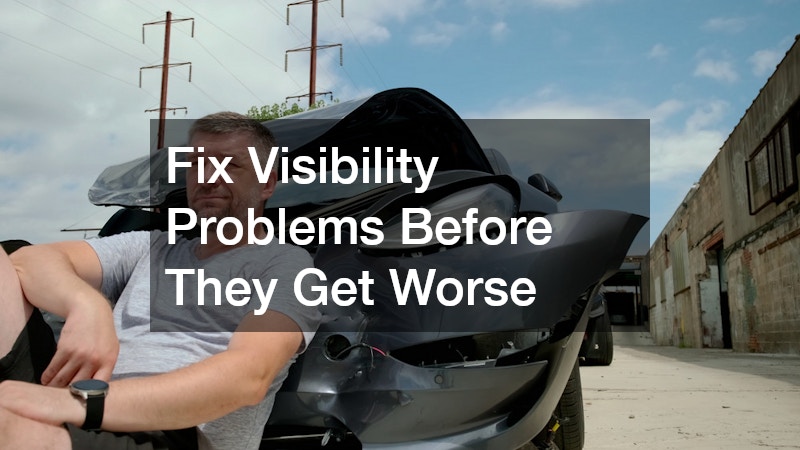
Glass damage is easy to underestimate after a crash. A small chip in the windshield or a crack near the corner may not seem urgent compared with a smashed bumper or dented door. But damaged glass tends to spread, and visibility problems can make the vehicle unsafe fast.
Vehicle glass also matters more than it used to. In many cars, the windshield works with cameras, sensors, and driver-assistance systems. Side windows and mirrors affect basic visibility, and rear glass damage can limit safe reversing or lane awareness.
Inspect the car for:
- Windshield cracks in the driver’s field of view
- Chips that may spread with temperature changes
- Loose or rattling glass
- Damaged seals around the window edges
- Broken mirrors
- Sensor or camera problems near the windshield
If visibility is compromised, keep the car parked until it is repaired. That sounds strict, but this is one of those problems that can quietly become expensive and dangerous. A smaller crack may be repairable early. Leave it alone too long, and you may end up replacing the whole unit and recalibrating related systems.
Figure Out What Is Cosmetic and What Is Structural
After a crash, it helps to mentally separate damage into two buckets: what looks bad, and what changes how the car functions. A scratched panel may be ugly but not urgent. A bent support behind that panel is a much bigger deal.
An auto body shop should do more than give you a price for paint and dent work. A solid shop will check whether the impact affected the frame, mounting points, crash supports, or alignment of surrounding panels. This is where hidden costs can suddenly show up, because once a damaged section is taken apart, the repair scope sometimes grows.
When reviewing estimates, try to understand:
- Which parts are cosmetic only
- Which parts affect structure or safety
- Whether sensors or calibration are included
- Whether replacement parts are new, used, or aftermarket
- Whether paint blending is needed across multiple panels
This is also the stage where questions matter. Ask whether the car will be restored to pre-accident condition in function, not just in appearance. A vehicle can come back looking shiny while still having small issues that affect long-term value or drivability.
Decide Whether the Car Is Actually Worth Fixing
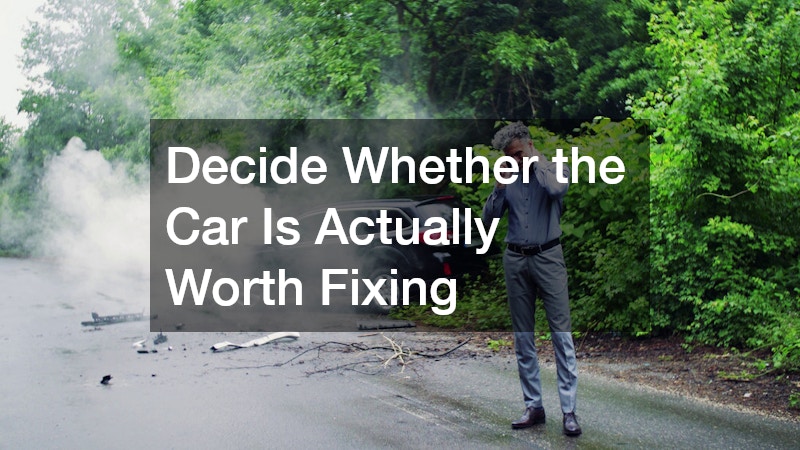
This is where emotion and math collide a little. Plenty of people assume that if a car can be repaired, it should be repaired. That is not always true. Sometimes the better move is to stop sinking money into a vehicle that was already aging out of your life.
Auto appraisals can help here because they give you a more realistic picture of what the vehicle was worth before the accident and what it may be worth after repairs. That matters because repair cost alone is not the only number in play. You also have to think about mileage, prior wear, resale value, and how confident you feel keeping the car afterward.
When weighing the decision, consider:
- Current market value of the vehicle
- Total repair estimate
- Likelihood of additional hidden damage
- Age and mileage of the car
- Past maintenance history
- Future resale impact after an accident record
A repair bill may look tolerable on paper, but less appealing when you remember the car already needed tires, had transmission quirks, or was nearing the point where you planned to replace it anyway. On the flip side, a well-maintained vehicle with years of life left may absolutely be worth repairing, even after a serious hit.
The real question is not “Can this be fixed?” It is “Does fixing this still make sense for me?”
Keep a Paper Trail in Case the Situation Changes
Accident situations love getting messier after everyone thinks the hard part is over. Insurance disputes pop up. Repair supplements appear. Symptoms show up later. Shops disagree. That is why organized records are gold.
Save everything connected to the accident:
- Photos and video from the scene
- Police or incident reports
- Tow bills
- Insurance claim numbers
- Emails and texts with adjusters
- Repair estimates
If liability is disputed, injuries are involved, or the claim starts getting ugly, an auto accident attorney may become relevant. That does not mean every crash needs a lawyer. It means you should keep records as though someone may need to review the situation later. That habit can protect you whether the issue is legal, financial, or repair-related.
Good documentation also helps if you sell or trade the vehicle later. Buyers and dealers care about accident history, and being able to show what was repaired and when can make those conversations much easier.
Inspect the Finished Repair Job Like You Mean It
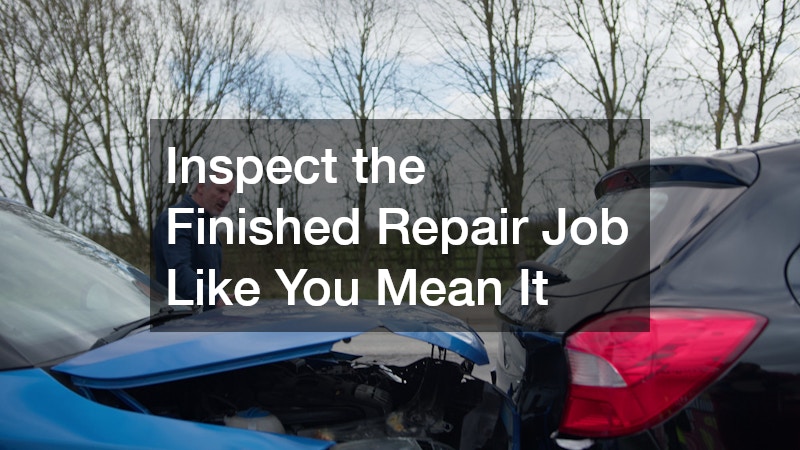
Picking up the car from the shop is not the finish line. It is the moment to slow down and inspect the work before you accept it and disappear down the road.
Walk around the car in good light. Look for paint mismatch, odd panel gaps, misaligned trim, or any area that still looks off. Open and close the doors, hood, and trunk. Check lights, warning systems, mirrors, sensors, and cameras. Sit inside and make sure the steering wheel, dash, and cabin feel normal.
A fresh auto car wash can actually help at this point because it removes dust and residue that hide flaws. Once the surface is clean, it becomes easier to spot scratches, swirl marks, overspray, poor paint blending, or trim issues that were not obvious under shop lighting.
Do a careful review of:
- Paint color and texture match
- Straightness of body lines
- Function of windows and locks
- Warning lights on the dash
- Wind noise around repaired areas
Then test-drive it. Not just around the block if you can help it. Drive at low speed, then at regular road speed. Brake firmly. Turn in both directions. Back up. Park. Pay attention. If the car feels different than it did before the accident, bring it up immediately.
Get One More Safety Check Before Settling Back Into Routine
For anything more than a light cosmetic repair, it is smart to get a final vehicle inspection or second review before you fully trust the car again. That may come from the repair facility, an independent technician, or another qualified source depending on the situation.
This extra step is useful because some post-repair issues only show up after the car is back together and moving again. Alignment may still be a little off. A sensor may need recalibration. A leak may develop only after regular driving resumes.
A final check should look at:
- Steering and alignment
- Brake performance
- Tire wear and wheel position
- Suspension feel
- Fluid leaks
This is one of those moments where caution is your friend. A vehicle that has been in an accident can absolutely return to safe, reliable condition, but that should be confirmed, not assumed.
Think Long-Term Before You Commit to Keeping It
Once everything is inspected and repaired, step back and ask the bigger question: do you still want this car? That might sound obvious, but a lot of people automatically keep a vehicle after repairs without thinking about how the accident changed its value, reliability, or their own comfort level.
For some drivers, the answer is easy. The car is fixed, it drives well, and they keep it for years. For others, the accident becomes the tipping point that pushes them toward replacement. Maybe the vehicle already had problems. Maybe the accident history hurts its trade-in value more than expected. Maybe they just do not trust it the same way anymore.
Think about:
- How long you planned to keep the vehicle before the crash
- Whether future car services are likely to rise
- Whether you still feel confident driving it daily
- Whether the repair restored full function
That answer is going to be personal. The right move is the one that fits your budget, safety needs, and peace of mind.
