
Automotive safety is about more than avoiding accidents. It involves maintaining reliable vehicles, developing responsible driving habits, preparing for emergencies, and protecting drivers, passengers, and businesses from unexpected risks. Whether you drive a personal vehicle, manage a commercial fleet, or operate a business that depends on transportation, proactive safety measures can make a significant difference.
Vehicle breakdowns, mechanical failures, distracted driving, and inadequate insurance coverage can lead to expensive repairs, injuries, and operational disruptions. Fortunately, many of these risks can be reduced through consistent maintenance, thoughtful planning, and informed decision-making.
This guide explores practical automotive safety strategies that drivers and businesses can implement immediately. From recognizing mechanical warning signs to improving fleet inspections and preparing for accidents, these recommendations will help you make safer decisions on the road. By prioritizing prevention and establishing reliable safety routines, you can protect your vehicles, reduce avoidable expenses, and contribute to safer roads for everyone.
Schedule Preventive Maintenance Before Problems Become Dangerous
Preventive maintenance is one of the most effective ways to reduce vehicle-related safety risks. Mechanical problems rarely appear without warning, and recognizing early symptoms can prevent dangerous breakdowns. Drivers should follow manufacturer-recommended maintenance schedules rather than waiting for dashboard warning lights or noticeable performance changes.
Establishing a relationship with reputable local auto repair shops can make it easier to schedule routine inspections and address concerns promptly. Experienced technicians can identify developing problems that drivers might overlook.
A practical maintenance checklist should include:
- Engine oil: Check levels regularly and follow recommended replacement intervals.
- Brakes: Watch for grinding, squealing, vibration, or reduced stopping performance.
- Tires: Inspect tread depth, pressure, and visible damage.
- Fluids: Monitor coolant, brake fluid, and windshield washer fluid.
- Lights: Verify that headlights, brake lights, and turn signals work properly.
- Belts and hoses: Look for cracks, leaks, or unusual wear.
Keep maintenance records with service dates, mileage, and repairs performed. This information helps identify recurring problems and supports better maintenance planning.
Businesses should establish maintenance schedules for every company vehicle. Consistent inspections help prevent mechanical failures, protect employees, and reduce disruptions caused by unexpected repairs.
Recognize Mechanical Warning Signs Before Driving Becomes Risky
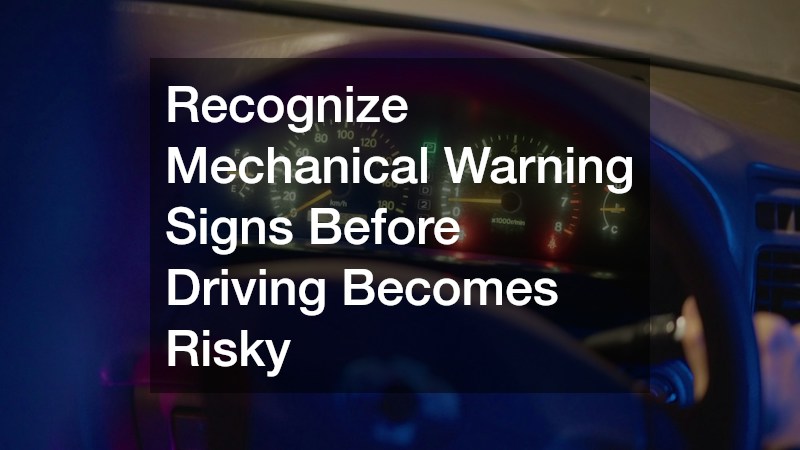
Mechanical problems can compromise vehicle control, reliability, and safety. Drivers should never ignore unusual noises, vibrations, warning lights, or changes in performance. Understanding these symptoms helps determine whether a vehicle needs immediate attention or a scheduled inspection and transmission repair.
Professional auto transmission repair may help resolve developing mechanical issues before they lead to more expensive damage or unsafe driving conditions.
Watch for these warning signs:
- Delayed shifting: The vehicle hesitates when changing gears.
- Unusual noises: Grinding, whining, or clunking sounds occur during operation.
- Fluid leaks: Red or brown fluid appears beneath the vehicle.
- Burning odors: Overheated components may produce unusual smells.
- Warning lights: Dashboard indicators suggest mechanical problems.
- Unexpected movement: The vehicle struggles to accelerate or respond consistently.
If the vehicle suddenly loses power or becomes difficult to control, move to a safe location and arrange professional assistance.
Drivers should avoid attempting complex repairs without proper training. Businesses should establish procedures requiring employees to report mechanical concerns immediately and remove unsafe vehicles from service until they are inspected.
Protect Vehicle Surfaces Against Environmental Damage
Exterior maintenance contributes to vehicle longevity and helps prevent corrosion. Road salt, moisture, ultraviolet radiation, bird droppings, and industrial contaminants can gradually damage paint and expose underlying metal. Look for a local body shop that offers a full auto painting service to restore your car’s finish to factory quality.
Drivers should wash vehicles regularly, particularly during winter when road salt accumulates on body panels, wheel wells, and undercarriages. Promptly addressing paint damage is important because scratches and chipped areas can allow moisture to reach metal surfaces.
Helpful exterior maintenance practices include:
- Wash vehicles frequently to remove dirt, salt, and contaminants.
- Use automotive-specific cleaning products rather than household detergents.
- Dry vehicles thoroughly to reduce water spotting.
- Inspect paintwork for chips, scratches, and bubbling.
- Apply protective wax or sealants according to product instructions.
- Check beneath wheel arches and around door edges for corrosion.
Businesses operating vehicles outdoors should establish regular cleaning schedules. Commercial vehicles frequently encounter road debris and environmental contaminants, making exterior inspections especially important.
Remember that appearance-related maintenance also supports resale value. A clean, properly maintained exterior can indicate that the vehicle has received consistent care throughout its operating life.
Maintain Safe Following Distances in Changing Traffic Conditions
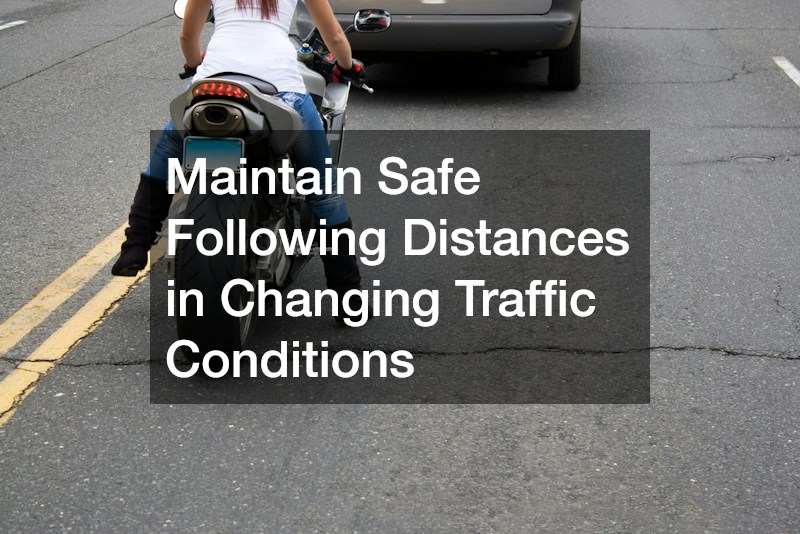
Defensive driving requires anticipating potential hazards rather than reacting only when something happens. Maintaining adequate following distance provides additional time to respond when another driver brakes suddenly, traffic slows, or road conditions change.
A common guideline is to maintain at least three seconds of following distance under favorable conditions. However, this should increase when driving in rain, snow, fog, darkness, or heavy traffic. Larger vehicles and commercial trucks require additional stopping distance because of their weight and momentum.
Drivers should also avoid positioning themselves where other vehicles have limited visibility or escape options.
Practical defensive driving habits include:
- Look several vehicles ahead to anticipate traffic changes.
- Avoid tailgating, even when other drivers are moving slowly.
- Check mirrors frequently and before changing lanes.
- Signal early and make predictable movements.
- Reduce speed when visibility or traction decreases.
- Avoid sudden braking and unnecessary lane changes.
- Never use a phone while driving unless permitted through a legally compliant hands-free system.
Commercial drivers should receive training on vehicle-specific stopping distances, blind spots, and load-related handling differences.
Businesses can reinforce these habits through driver training, periodic safety reviews, and clear expectations regarding speeding and distracted driving. Encouraging employees to prioritize safety over delivery deadlines helps create a responsible driving culture.
Prepare for Emergencies Before Leaving Home or Work
Unexpected breakdowns and collisions can happen even when vehicles receive regular maintenance. Having emergency supplies and a clear response plan can help drivers remain safe while waiting for assistance.
Drivers should keep an emergency kit in an accessible location. Commercial operators should equip vehicles according to their operating environment, route length, and passenger or cargo requirements.
Consider including:
- First-aid supplies.
- Flashlight and extra batteries.
- Reflective triangles or other approved warning devices.
- Jumper cables or a suitable jump starter.
- Drinking water and nonperishable snacks.
- Blankets and weather-appropriate clothing.
- Tire pressure gauge and basic tools.
- Phone charger and emergency contact information.
If a vehicle breaks down, drivers should activate hazard lights and move away from traffic when possible. On highways, remaining inside the vehicle may be safer in certain circumstances, while exiting toward a protected area may be appropriate when the vehicle is exposed to immediate danger. Follow local emergency guidance.
Avoid standing behind or beside a vehicle in active traffic lanes. Never attempt roadside repairs in unsafe conditions.
Document Accidents and Protect Your Legal Interests
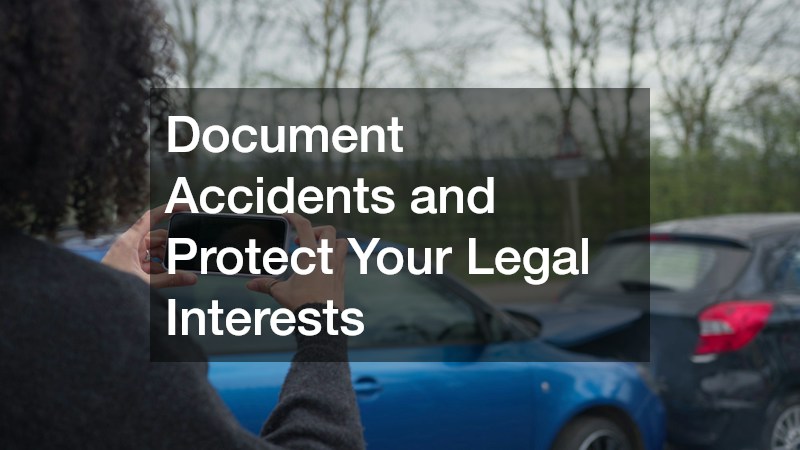
After a collision, safety should always take priority over documentation. Drivers should check for injuries, contact emergency services when necessary, and move to a safer location if possible without creating additional danger.
Once immediate hazards are addressed, collecting accurate information can help with insurance claims and subsequent investigations.
Important steps include:
- Photograph vehicle damage from multiple angles.
- Document road conditions, traffic signs, and visible hazards.
- Exchange contact and insurance information with other involved drivers.
- Obtain witness names and contact details when available.
- Record the time, location, and circumstances of the collision.
- Avoid arguing about fault or making unsupported statements.
- Follow applicable accident reporting requirements.
When serious injuries, disputed liability, or complicated insurance issues arise, consulting local accident attorneys may help individuals understand their legal rights and available options.
A personal injury attorney may also assist someone who has suffered injuries in evaluating potential compensation, communicating with insurance companies, and navigating legal procedures.
Keep copies of medical records, repair estimates, receipts, and correspondence related to the accident. Avoid signing unfamiliar settlement documents or accepting compensation without understanding what rights may be affected.
Businesses should establish accident reporting policies and ensure employees know how to notify supervisors, document incidents, and preserve relevant records.
Create a Daily Inspection Routine for Commercial Vehicles
Commercial vehicle inspections help identify problems before they become roadside emergencies. Businesses that rely on transportation should establish consistent inspection procedures for trucks, vans, service vehicles, and other fleet equipment.
A daily inspection routine should be straightforward enough for employees to complete consistently. Standardized checklists reduce the likelihood of overlooking important components and make it easier for managers to monitor vehicle condition.
Drivers should inspect the following before operating a commercial vehicle:
- Tires for pressure, tread wear, and damage.
- Brakes for warning signs or reduced performance.
- Headlights, brake lights, and turn signals.
- Mirrors, windshield, and windshield wipers.
- Steering components and visible suspension damage.
- Fluid levels and visible leaks.
- Safety equipment and emergency supplies.
Drivers should also verify that cargo is properly secured and does not interfere with vehicle handling or visibility.
Businesses should maintain inspection records, document reported defects, and establish clear procedures for removing unsafe vehicles from service.
Specialized maintenance providers, including diesel shops, can help businesses address the technical requirements of diesel-powered commercial vehicles. Fleet managers should schedule inspections based on manufacturer recommendations, operating conditions, and applicable regulations.
Employee training is equally important. Drivers should understand how to recognize defects, report problems accurately, and avoid operating vehicles that may be unsafe.
Establish Reliable Roadside Support for Commercial Fleets
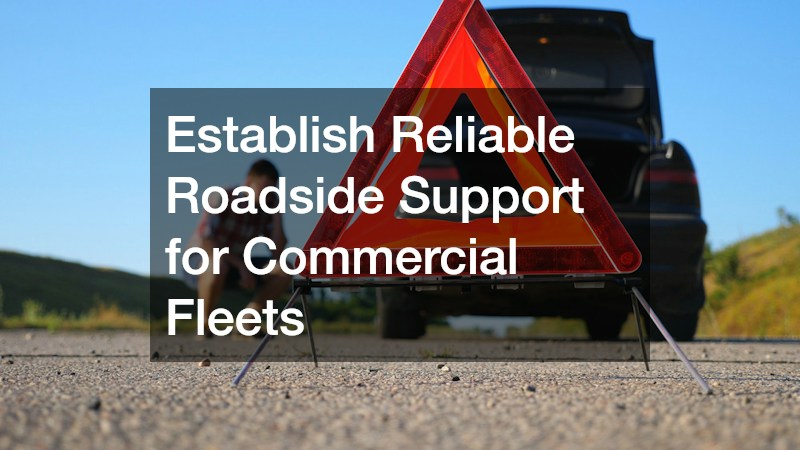
Commercial vehicle breakdowns can create significant safety concerns, particularly when trucks become disabled on highways, busy roads, or remote routes.
Businesses should develop roadside assistance procedures before emergencies occur. Drivers need to know whom to contact, how to communicate their location, and what steps to take while waiting for help.
Depending on the situation, mobile truck repair services may address certain mechanical problems at the breakdown location, reducing the need to transport the vehicle to a repair facility.
However, roadside repairs should only be performed when the location is safe and the problem can be addressed appropriately. Serious mechanical failures may require towing or specialized equipment.
Fleet managers should establish a roadside support plan that includes:
- Emergency contact numbers available to every driver.
- Procedures for communicating GPS coordinates or location details.
- Approved roadside assistance and towing providers.
- Instructions for activating hazard lights and warning devices.
- Guidance on moving away from traffic when safe.
- Procedures for notifying customers about delivery delays.
- Documentation requirements for breakdowns and repairs.
Businesses should also consider backup vehicles and alternative delivery arrangements.
Drivers must never feel pressured to continue operating a vehicle with a serious mechanical problem. Protecting employees and other road users should take precedence over meeting delivery deadlines.
Review Insurance Coverage Before Accidents Occur
Insurance provides financial protection against certain vehicle-related losses, but coverage varies considerably between policies. Drivers and businesses should understand their coverage before an accident happens.
Liability insurance generally addresses covered damages or injuries caused to others. Collision coverage typically helps pay for covered damage to the insured vehicle following a collision, while comprehensive coverage generally addresses certain non-collision losses.
Commercial vehicle insurance may include additional requirements depending on vehicle type, business operations, cargo, and applicable regulations.
Drivers and fleet managers should review:
- Liability limits and coverage requirements.
- Collision and comprehensive deductibles.
- Exclusions and restrictions.
- Coverage for employees operating company vehicles.
- Rental vehicle or towing provisions.
- Coverage for specialized equipment or cargo.
- Procedures for filing claims after accidents.
An insurance agent can help explain policy provisions, identify potential coverage gaps, and recommend appropriate options based on vehicle usage.
Businesses should review insurance whenever they purchase vehicles, hire drivers, expand operations, or change transportation activities.
Keep policy documents accessible and ensure drivers know how to report accidents. Employees should understand which information to collect and whom to contact following an incident.
Regular insurance reviews help prevent misunderstandings and improve preparedness when unexpected events occur.
Protect Vehicle Surfaces and Improve Long-Term Durability
Vehicle protection involves more than routine washing and waxing. Environmental contaminants, ultraviolet radiation, moisture, and road debris can gradually affect exterior surfaces.
Drivers and businesses should consider protective treatments based on vehicle use, environmental exposure, and maintenance preferences. Ceramic coating services may provide a durable protective layer that helps resist certain contaminants and makes routine cleaning easier.
However, ceramic coatings should not be mistaken for collision protection. They generally do not eliminate scratches, prevent dents, or replace proper maintenance.
Before choosing a protective treatment, consider:
- Whether the vehicle is frequently exposed to sunlight.
- How often it encounters road salt or industrial contaminants.
- Whether it is parked outdoors or inside a garage.
- The amount of time available for regular cleaning.
- The manufacturer’s maintenance recommendations.
- The condition of the existing paintwork.
Proper surface preparation is important because applying protective products over damaged or contaminated paint can compromise results.
Commercial fleet managers should evaluate whether protective treatments provide practical benefits across their vehicles. Some vehicles may require more frequent cleaning or protection because they operate in demanding environments.
Regardless of the treatment selected, drivers should continue inspecting exterior surfaces and addressing damage promptly. Protective coatings work best as part of a comprehensive vehicle care strategy rather than as a substitute for maintenance.
Regular inspections help identify mechanical problems early, while responsible driving habits protect everyone sharing the road. Businesses can further improve safety by training employees, documenting vehicle conditions, and establishing clear procedures for reporting accidents and breakdowns.
Insurance planning and organized maintenance records also contribute to better financial preparedness when unexpected incidents happen. Meanwhile, appropriate vehicle protection and seasonal maintenance help preserve reliability and performance over time.
