
Car accidents are unpredictable events that can leave drivers feeling disoriented, stressed, and unsure of what steps to take next. In the moments following a collision, it can be challenging to think clearly, especially if emotions are running high or if there are injuries involved. However, knowing the right actions to take immediately after an accident is essential for your safety, the safety of others, and protecting your legal and financial interests. Taking prompt and careful steps can make a significant difference in the aftermath, both in terms of personal well-being and the efficiency of insurance claims and vehicle repair processes. This guide provides a detailed, practical roadmap for handling an accident with confidence and care. From ensuring safety to seeking professional repairs, every action described here is designed to help drivers navigate the complex and often stressful aftermath of a car accident.
Understanding what to do immediately following a crash is not only about safety; it also involves preserving crucial evidence, documenting the situation accurately, and taking the necessary steps to prevent further damage or legal complications. Many drivers underestimate the importance of these initial actions, assuming that calling insurance or visiting a repair shop can wait. In reality, the first hours after an accident are critical for establishing facts, addressing injuries, and initiating the claims process. By following a structured approach, you can reduce stress, prevent additional complications, and ensure that all necessary repairs and medical evaluations are handled promptly. This guide will walk you through ten essential steps that every driver should follow after an accident.
Ensure Everyone’s Safety First
The first priority after any auto collision is to ensure the safety of yourself, passengers, and others involved. Even minor accidents can pose risks, such as the possibility of further collisions in heavy traffic or injuries that are not immediately apparent. Once the vehicle comes to a stop, assess the immediate situation carefully. Check on all occupants to determine if anyone is hurt or in distress. If possible, move your car to the side of the road or another safe location to prevent obstructing traffic. Using hazard lights can alert other drivers to the situation and reduce the risk of additional collisions.
If someone is seriously injured, it is crucial to call emergency services without delay. Paramedics and law enforcement personnel are trained to handle these situations and can provide life-saving assistance. During this initial phase, remaining calm is paramount. Avoid confronting the other driver or expressing frustration, as tensions often run high in such situations. Even a minor exchange can escalate quickly and complicate matters for insurance claims or potential legal proceedings. Staying composed, focusing on safety, and taking deliberate actions ensures that the situation is managed effectively from the very beginning.
Document the Scene Thoroughly
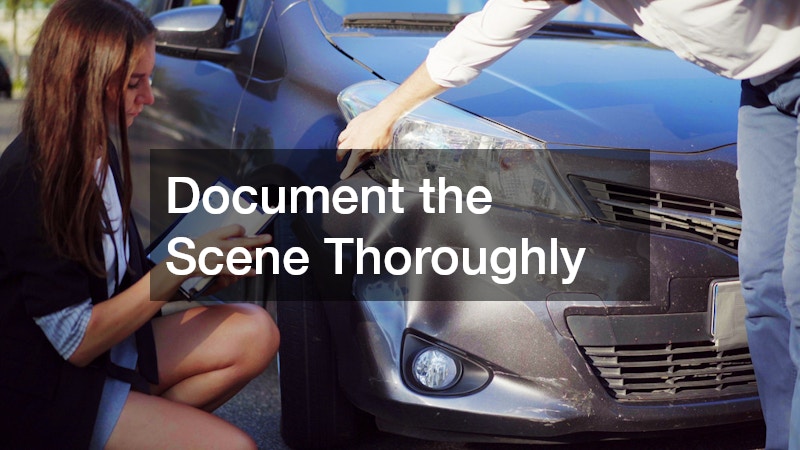
Once safety has been ensured, documenting the scene becomes a critical step in protecting yourself and facilitating the insurance process. Accidents can be chaotic, and memories may fade or be disputed later. It is essential to capture as much detail as possible while the scene is still fresh. Take photographs of all vehicles involved, highlighting damages from multiple angles. Ensure that license plates, the surrounding road, traffic signs, and any relevant skid marks are clearly visible in your images.
It is also important to record information about the conditions that may have contributed to the collision. Note weather conditions, lighting, road hazards, and the behavior of other drivers if relevant. Collect contact information from all parties involved, including witnesses who saw the accident occur. Accurate records are invaluable when filing insurance claims and can help clarify any disputes regarding fault or damages. Writing down a detailed description of the accident in your own words can further strengthen your case. This documentation not only supports the claims process but also provides a reliable reference for any future legal or medical matters.
Call Your Insurance Provider Promptly
Contacting your insurance company promptly is a crucial step that should not be delayed. When you report the incident, provide a clear and factual account of the accident. Avoid speculating about fault or making statements that could be misinterpreted, as insurance adjusters rely on accurate information to assess claims. Inform your provider about the extent of damages, any injuries sustained, and whether your vehicle needs towing or immediate repairs.
Your insurance company can provide guidance on the next steps, including arranging an inspection, recommending repair shops, and processing claims efficiently. Keeping detailed records of your communications with your insurance provider is essential, including the name of the representative, the claim number, and any instructions given. Acting quickly helps expedite the claims process and reduces the risk of miscommunication or delays. Prompt notification ensures that your policy coverage is utilized appropriately, and it sets a foundation for resolving the situation smoothly.
Seek Medical Attention, Even If Injuries Seem Minor
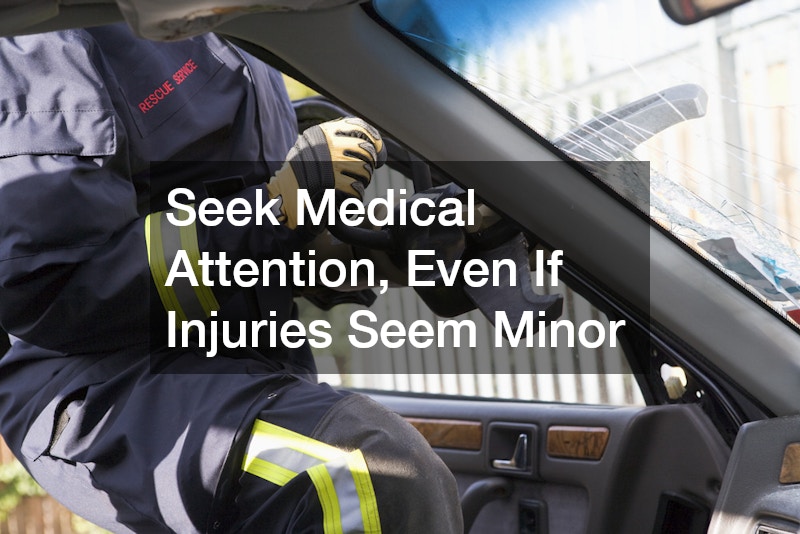
Many drivers assume that minor collisions do not require medical evaluation, but some injuries may not manifest immediately. Whiplash, internal bleeding, and other trauma can appear hours or even days later, making early medical assessment critical. Visiting a healthcare professional immediately after an accident ensures that injuries are documented and treated promptly. Proper medical documentation is also essential for insurance purposes, as it establishes a clear record of any accident-related injuries.
Following a doctor’s recommendations and attending follow-up appointments are equally important. Even minor complaints, such as headaches, back pain, or joint stiffness, should not be ignored. Early intervention can prevent complications and long-term health issues. Additionally, maintaining medical records provides critical evidence if disputes arise regarding the extent of injuries or the necessity of treatments. Seeking medical attention is a proactive step that prioritizes health while also safeguarding your rights in the claims process.
Protect Your Vehicle from Further Damage
After addressing safety and medical concerns, attention should turn to protecting the vehicle from additional damage. Driving a damaged car can be risky, especially if tires, brakes, or suspension systems are compromised. If the vehicle is in a dangerous location or cannot be safely driven, arranging for a tow service is the safest option. Before attempting to drive, inspect the car for fluid leaks, tire damage, or visible structural issues. Identifying these problems early can prevent more extensive damage and ensure that repairs address all issues thoroughly.
Taking immediate action to protect the vehicle also preserves the integrity of your insurance claim. Insurance companies may scrutinize any additional damage that occurs after the accident, potentially reducing the coverage if it is deemed avoidable. Moving the vehicle to a secure location and preventing further harm demonstrates responsible management of the situation. This step helps minimize repair costs and ensures that subsequent work can be performed safely and efficiently.
Consult a Trusted Auto Locksmith If Needed
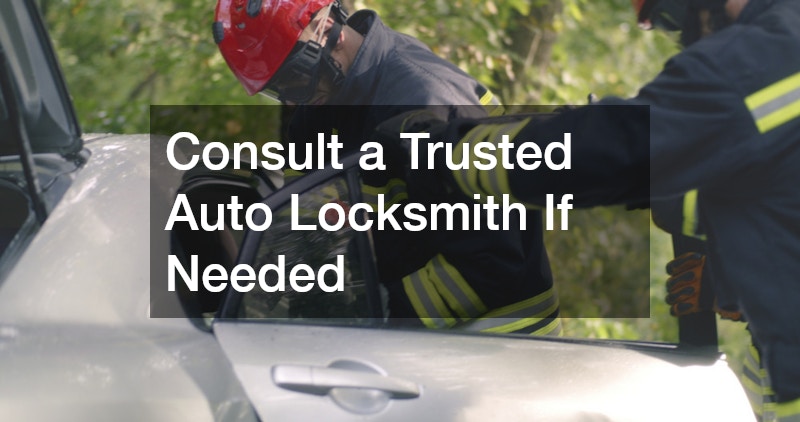
In some accidents, vehicle access may be compromised, especially if keys are damaged, lost, or locked inside the car. Contacting a certified auto locksmith is a practical solution that avoids unnecessary damage. Attempting to gain entry forcibly can lead to further harm to the vehicle, which may complicate repairs or insurance claims. A professional locksmith can provide secure and reliable access while documenting the service for your records.
Choosing an experienced locksmith is important to ensure that the work is done without damaging locks, electronics, or key systems. In addition to regaining access, the locksmith may assist in replacing damaged keys or programming replacement fobs. This step ensures that the vehicle remains secure and ready for towing or repair work. Consulting a professional early on prevents avoidable stress and preserves the condition of the car.
Arrange Professional Vehicle Assessment and Repairs
Once the vehicle is safe and accessible, arranging a professional assessment is a critical step. Visiting a certified auto repair shop or bodywork shop allows for a thorough inspection of the vehicle’s condition. These shops are equipped to identify both visible and hidden damage, including frame misalignment, mechanical issues, and structural compromises. Obtaining a detailed repair estimate with an itemized list of necessary work ensures transparency and facilitates the insurance process.
Prioritizing safety-critical repairs, such as steering, brakes, and suspension, is essential. Auto repair professionals can advise on the best course of action and help prevent further complications. Experienced repair shops have the tools and expertise to restore vehicles to their pre-accident condition, addressing both mechanical and cosmetic concerns. Arranging professional evaluation and repair early reduces downtime, ensures comprehensive treatment of damages, and supports a smoother claims process.
Address Cosmetic and Structural Damage
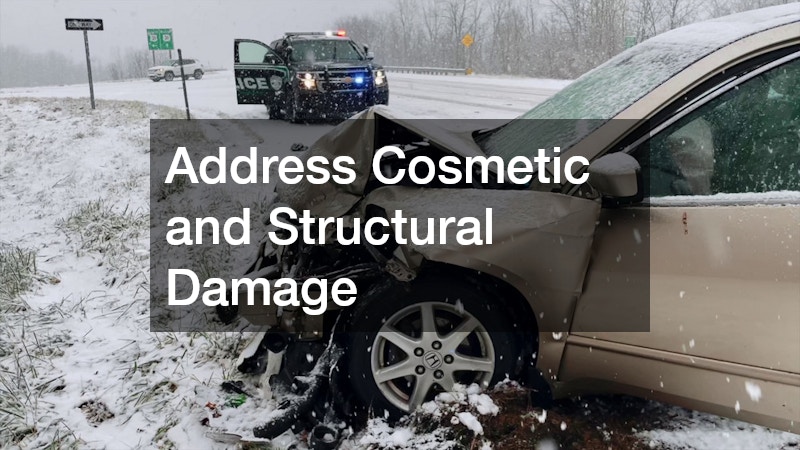
Beyond mechanical repairs, addressing cosmetic and structural damage is necessary to restore the vehicle fully. Broken glass, dents, and scratches not only affect the vehicle’s appearance but can also lead to more serious issues if left untreated. Scheduling a windshield replacement promptly, for example, prevents leaks, reduces the risk of shattering, and ensures driver visibility is maintained. A reputable bodywork shop can handle repairs efficiently and use certified parts to ensure safety and durability.
Structural issues, such as bent frames or compromised panels, should be corrected as soon as possible. Even minor cosmetic issues can worsen over time if neglected, potentially leading to rust, water damage, or other complications. Completing these repairs with qualified professionals ensures that the vehicle remains safe, reliable, and visually intact. Addressing both aesthetic and structural concerns comprehensively protects the long-term value of the car and minimizes future repair costs.
Schedule Maintenance Checks After the Accident
Following repairs, scheduling a comprehensive maintenance check is an important step in ensuring ongoing vehicle safety. Accidents can affect critical systems, including brakes, suspension, tires, and auto alignment, even if the damage is not immediately apparent. An auto service professional can conduct a detailed inspection to confirm that all systems are functioning correctly and identify any components that require replacement or adjustment.
Paying attention to brakes and other safety systems is particularly important, as their performance can be compromised by collision impacts. Regular follow-up inspections provide peace of mind and reduce the likelihood of future mechanical failures. Addressing maintenance issues promptly contributes to overall vehicle reliability, ensures driver safety, and extends the lifespan of the car. Incorporating post-accident maintenance as part of the repair process reflects responsible ownership and protects your investment.
Keep All Records Organized for Insurance and Legal Purposes
Finally, maintaining detailed records of all accident-related activities is essential. This includes repair invoices, insurance communications, medical reports, and any correspondence with service providers. Keeping organized documentation provides clarity for claims processing and protects you in case of disputes regarding damages, medical expenses, or liability.
Documenting follow-up visits and additional work performed on the vehicle also strengthens your case. Maintaining a comprehensive log of expenses related to the accident, including repairs, towing, and medical costs, ensures that you can recover eligible costs efficiently. Organized records simplify interactions with insurance companies, support legal proceedings if necessary, and provide a reference for any future incidents. By keeping thorough documentation, you are safeguarding both your financial and legal interests in the aftermath of a collision.
Experiencing a car accident is a stressful and often disorienting event, but following a structured approach can significantly reduce the challenges that arise in its aftermath. Prioritizing safety, documenting the scene, seeking medical attention, and arranging professional vehicle repairs are essential steps for protecting yourself and others. Prompt action helps prevent further damage, ensures that injuries are addressed, and supports an efficient insurance claims process.
By consulting qualified professionals, including auto locksmiths, car repair shops, and maintenance services, drivers can restore their vehicles safely and comprehensively. Maintaining detailed records and adhering to follow-up inspections further protects both legal and financial interests. Being proactive also helps reduce anxiety by giving drivers a clear roadmap to follow in moments of uncertainty. Additionally, staying informed about your rights and responsibilities after an accident empowers you to make decisions that minimize potential disputes with other parties or insurance companies. With careful planning, attention to detail, and informed action, drivers can navigate the aftermath of a car accident with confidence, reduce stress, and ensure that their vehicle remains safe, functional, and reliable. Being prepared and knowing what to do immediately following an accident ultimately empowers drivers to handle these situations with clarity and control, minimizing long-term impacts and fostering a safer driving environment. Taking these steps seriously not only protects your immediate well-being but also contributes to long-term peace of mind, financial security, and the overall safety of everyone on the road.
