
- Power source: Turbos use exhaust gases; superchargers are engine-driven.
- Throttle response: Turbos have lag; superchargers deliver instant power.
- Fuel efficiency: Turbos are more efficient; superchargers use more engine power.
- Performance focus: Turbos excel at high RPM peak power; superchargers shine at low-end torque.
- Installation & maintenance: Turbos are complex; superchargers are simpler to install and maintain.
- Car applications: Turbos in performance/fuel-efficient cars; superchargers in muscle/high-performance cars.
- Combined systems: Twincharged cars use superchargers for low-end and turbos for high-end power.
If you’re into cars, chances are you’ve heard the terms turbo and supercharger thrown around. Both of these components are designed to give your engine more power, but how they do it is quite different. Knowing the differences can help you understand your options and discover how to make your car faster. In this article, we’ll break down everything you need to know about turbochargers and superchargers, compare their performance, and help you figure out which boosts performance better.
What Exactly Is a Turbocharger?
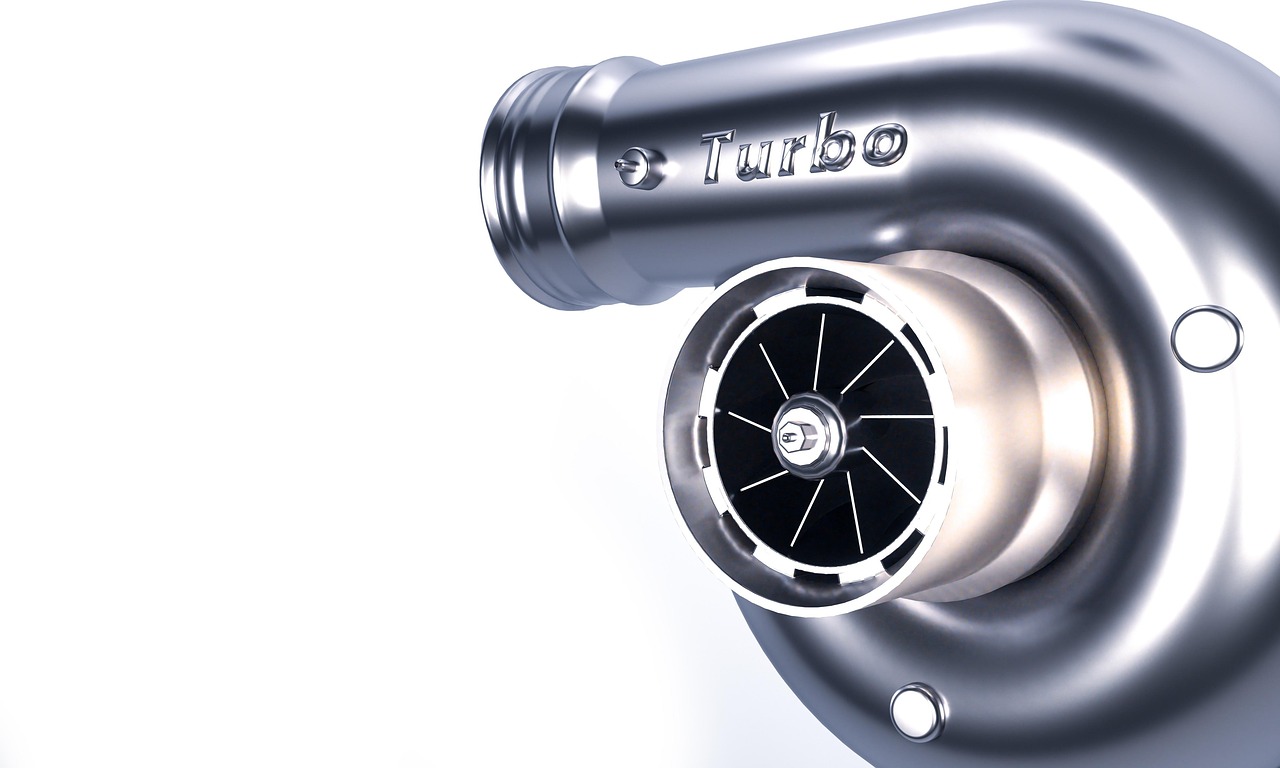
A turbocharger, or “turbo” for short, is a device that forces extra air into your engine’s combustion chamber, allowing it to burn more fuel and produce more power. Think of it as giving your engine a big breath of fresh air so it can perform at its best.
How a Turbo Works
Here’s a breakdown of the process:
- Exhaust-driven turbine: Exhaust gases from your engine spin a turbine at high speed.
- Compressor connection: The turbine is connected to a compressor that draws in fresh air and compresses it.
- Increased combustion: The compressed air enters the combustion chamber, allowing more fuel to burn efficiently, producing more horsepower and torque.
Key Points About Turbos
- Exhaust-powered: Unlike superchargers, turbos use waste exhaust energy, so they don’t draw extra power directly from the engine.
- Turbo lag: There can be a short delay between pressing the accelerator and feeling the boost. This is because the turbo needs enough exhaust flow to spin the turbine.
- Efficiency and performance: Turbos are popular in modern performance and fuel-efficient cars because they can dramatically increase power without significantly enlarging the engine.
- Temperature considerations: Turbos generate a lot of heat, which is why most setups include intercoolers to cool the compressed air before it enters the engine.
What Is a Supercharger and How Does It Work?
A supercharger is different from a turbo because it’s mechanically driven by the engine, usually via a belt connected to the crankshaft. This means it can deliver boost immediately, without the delay often experienced with turbos.
Why Superchargers Are Unique
- Instant power: Since they’re directly driven, superchargers provide immediate throttle response.
- Tuning flexibility: Boost levels can be adjusted relatively easily, allowing customization for different performance needs.
- Common applications: Superchargers are frequently used in muscle cars and high-performance vehicles that need strong, instant acceleration.
Types of Superchargers
- Roots-type: Produces near-instant boost at low RPMs, making it great for off-the-line acceleration.
- Twin-screw: Compresses air more efficiently than Roots, providing smoother and more consistent power across the rev range.
- Centrifugal: Functions similarly to a turbo but is belt-driven; excels at higher RPMs and is more efficient for sustained power.
Turbo vs Supercharger: What’s the Main Difference?
The biggest difference between a turbo and a supercharger comes down to how they are powered. Here’s a quick comparison:
| Feature | Turbo | Supercharger |
| Power source | Exhaust gases | Engine crankshaft |
| Lag | Some delay (turbo lag) | Instant power delivery |
| Efficiency | Generally more fuel-efficient | Less fuel-efficient due to engine load |
| Installation | More complex due to plumbing and intercoolers | Simpler, mostly bolt-on installation |
| Cost | Can be expensive, especially high-performance models | Can be less expensive depending on type |
| Maintenance | Requires high-quality oil and careful upkeep | Easier to maintain, fewer components prone to failure |
How Does Turbo Lag Affect Performance?
Turbo lag is one of the most discussed factors when comparing turbos and superchargers. It happens because the turbo depends on exhaust flow to spin the turbine. At low engine speeds, there may not be enough exhaust to produce an immediate boost.
Pros of Turbo Lag
- Turbos often deliver higher peak horsepower than superchargers, especially at high RPMs.
- Once spooled, they can maintain a consistent boost for sustained performance.
- Can improve fuel efficiency because the engine isn’t working harder to drive the turbo.
Cons of Turbo Lag
- Acceleration can feel delayed or less responsive, especially from a standstill.
- Drivers may need to adjust throttle input for smooth power delivery.
- Less ideal for stop-and-go driving where instant power is desired.
Instant Power vs Peak Power: Supercharger Advantages
Superchargers shine in scenarios where immediate throttle response is critical.
- Drag racing: Superchargers provide full boost instantly, improving launch performance.
- City driving: Quick off-the-line acceleration makes traffic merging and overtaking easier.
- Low-end torque: Superchargers excel at delivering power at lower RPMs, making them ideal for performance-oriented vehicles.
However, because they draw energy directly from the engine, superchargers can slightly reduce overall efficiency compared to turbos. The added load may also increase engine wear over time.
Fuel Efficiency: Turbo vs Supercharger
Fuel efficiency is an important consideration for both casual and performance drivers.
Turbo Efficiency
- Turbos use exhaust gases instead of engine power to produce boost, making them generally more fuel-efficient.
- Small turbocharged engines can deliver power comparable to larger naturally aspirated engines without consuming as much fuel.
- Most modern turbo setups include intercoolers to maximize efficiency and prevent heat-related power loss.
Supercharger Efficiency
- Superchargers consume engine power to operate, which can reduce fuel economy.
- Efficiency varies by type: twin-screw superchargers are more efficient than older Roots-type designs.
- While they provide instant power, long-term fuel consumption is generally higher than turbocharged systems.
Cost and Maintenance Considerations
Both turbos and superchargers have installation and maintenance costs to consider before committing to an upgrade.
Turbo Costs and Maintenance
- Can be expensive to install or replace, especially high-performance turbos.
- Require high-quality synthetic oil and regular changes to avoid damage.
- Complex plumbing and intercooler setups may increase installation and maintenance difficulty.
Supercharger Costs and Maintenance
- Typically easier to maintain, especially belt-driven designs.
- Often less expensive to install on older engines.
- Fewer components mean fewer potential failure points, lowering maintenance headaches.
Turbo vs Supercharger: Which Is Better for Daily Driving?

The choice largely depends on your driving style and priorities:
- Daily commuting and fuel savings: A turbo is generally better because of its efficiency and higher peak power.
- Performance and instant acceleration: A supercharger delivers a more immediate, thrilling driving experience.
- Mixed driving conditions: Some modern vehicles use twincharging (both turbo and supercharger) to combine the advantages of each system.
Common Misconceptions About Turbo vs Supercharger
There are a few myths that often confuse car buyers:
- “Turbos are always better.” Not true — turbo performance depends on engine tuning and design.
- “Superchargers are outdated.” Superchargers are still widely used in high-performance cars because of their instant boost.
- “Turbos are harder to maintain.” Modern turbo technology has improved reliability and longevity.
When to Consider a Turbo Upgrade
A turbo upgrade can be a great choice if you want to enhance your car’s performance without making major changes to the engine size or layout. Turbos are especially useful when you want to balance power and efficiency.
You might consider a turbo upgrade if:
- You want more horsepower without increasing engine size: Turbochargers allow smaller engines to produce power comparable to larger naturally aspirated engines. This is ideal for performance upgrades without heavy modifications.
- Fuel efficiency matters: Since turbos are exhaust-driven, they can improve fuel economy compared to superchargers while still delivering impressive power. This is especially beneficial for highway driving or long-distance commutes.
- You enjoy high-speed or highway driving: Turbos perform exceptionally well at higher RPMs, providing sustained power for highway overtaking or spirited long-distance driving.
- You like customization and tuning options: Many turbos can be tuned to adjust boost levels, allowing enthusiasts to fine-tune performance based on their preferences.
When to Consider a Supercharger Upgrade
Superchargers are best suited for drivers who crave immediate power and a more aggressive driving experience. Because they’re mechanically driven, they provide boost the instant you press the accelerator, making them ideal for city driving and performance-focused applications.
A supercharger upgrade is ideal if:
- Instant acceleration is your priority: Superchargers eliminate turbo lag, giving you full power the moment you hit the gas. This makes them excellent for drag racing or stop-and-go traffic situations.
- You want a simpler installation process: Installing a supercharger is often more straightforward than a turbo, especially on engines that weren’t originally turbocharged.
- You enjoy aggressive driving: Superchargers provide a more direct connection between throttle input and engine response, making driving feel more engaging and performance-oriented.
- Low-end torque is important: Superchargers excel at producing torque at lower RPMs, improving off-the-line performance for city driving, towing, or sportier acceleration.
Turbo vs Supercharger in Popular Cars
Both turbos and superchargers are widely used in modern vehicles, but their applications tend to differ depending on the car’s purpose.
Turbo Examples
- Ford EcoBoost engines: Small displacement engines use turbos to deliver higher horsepower without sacrificing efficiency.
- Volkswagen Golf GTI: Turbocharged engines give the GTI peppy acceleration and strong performance while maintaining reasonable fuel economy.
- Subaru WRX: Uses turbocharging for high-performance all-wheel-drive driving, particularly effective on winding roads or rally-style conditions.
Supercharger Examples
- Ford Mustang GT (with supercharger kits): Superchargers deliver instant low-end torque, giving the Mustang an aggressive launch and exhilarating performance.
- Dodge Hellcat: Equipped with a factory supercharger, this muscle car provides overwhelming power and instant acceleration.
- Jaguar F-Type SVR: The supercharger enhances driving excitement, making the car more responsive and aggressive without waiting for turbo spool.
Combining Both: The Twincharged Approach
Some high-performance vehicles use both a turbocharger and a supercharger in what’s known as a twincharged system. This setup combines the strengths of both systems to deliver a smooth, powerful driving experience across all RPM ranges.
- Low-end torque from the supercharger: Provides immediate acceleration from a standstill or low-speed driving.
- High-end power from the turbo: Maintains strong power output at higher RPMs for sustained performance.
- Examples:
- Lancia Delta S4: One of the first cars to implement a twincharged system for rally racing.
- Modern Nissan engines: Some performance variants use both systems to balance low-end responsiveness with high-end horsepower.
Twincharging is an ideal solution for enthusiasts who want the best of both worlds—instant response at low speeds without sacrificing top-end performance.
How to Decide: Turbo vs Supercharger for Your Needs
Choosing between a turbo and a supercharger comes down to understanding your driving style, goals, and budget. Ask yourself these questions:
- Do you prioritize fuel efficiency or instant power? Turbos are better for efficiency and sustained high-speed performance, while superchargers excel at immediate throttle response.
- Are you upgrading an existing engine or building a new performance car? Superchargers are generally easier to bolt on, whereas turbo setups may require more extensive modifications.
- What kind of driving do you do most? For city and drag-style driving, a supercharger is ideal. For highway and mixed driving, a turbo might suit better.
- What’s your budget for installation and maintenance? Consider both initial cost and long-term upkeep—turbos may require higher-grade oil and more maintenance, while superchargers are often simpler to maintain.
By carefully evaluating these factors, you can choose the system that delivers the performance and driving experience you want, whether it’s the raw instant power of a supercharger, the efficiency and high-RPM strength of a turbo, or even a combination of both.
So, Which Boosts Performance Better?
The answer isn’t one-size-fits-all. Turbochargers are great for high peak power, fuel efficiency, and modern engine designs. On the other hand, superchargers excel at instant power, low-end torque, and thrilling acceleration.
Ultimately, the best choice depends on your driving style, vehicle type, and performance goals. If you’re seeking a fun, aggressive driving experience, a supercharger might be the way to go. If you want a mix of performance and efficiency, a turbo is likely your best bet. For those who want the ultimate in performance, twincharged systems combine the best of both worlds.
