
- Instant power boost: Superchargers are mechanically driven, providing immediate torque and throttle response for faster acceleration.
- Increased horsepower and torque: By forcing more air into the engine, superchargers allow more fuel combustion, resulting in higher power output.
- Different types for different needs: Roots, twin-screw, and centrifugal superchargers each offer unique performance benefits, affecting acceleration differently.
- Acceleration gains vary: Street cars may see 20–50% horsepower increases, while performance-focused setups can reach 60–100% gains.
- Beyond speed: Superchargers can improve overall engine performance, towing capability, and even resale appeal.
- Proper installation and maintenance are essential: Tuning, supporting modifications, and regular upkeep are critical to ensure safety, reliability, and longevity.
If you’ve ever wondered how some cars can go from 0 to 60 in a matter of seconds, a lot of the magic comes down to one device: the supercharger. But what does a supercharger do, really? How does it affect your car’s acceleration, and is it worth the investment? In this article, we’ll break down everything you need to know about superchargers, from the mechanics to the practical benefits and potential drawbacks.
What Is a Supercharger?
At its core, a supercharger is a mechanical device that forces more air into your engine’s combustion chamber. The extra air allows the engine to burn more fuel, which in turn produces more power. Think of it as giving your engine an oxygen boost, enabling it to perform at a higher level than a naturally aspirated engine.
Unlike turbochargers, which rely on exhaust gases to spin a turbine, superchargers are powered directly by the engine, usually via a belt connected to the crankshaft. This means that superchargers provide instant power rather than waiting for exhaust pressure to build up.
How Does a Supercharger Improve Acceleration?
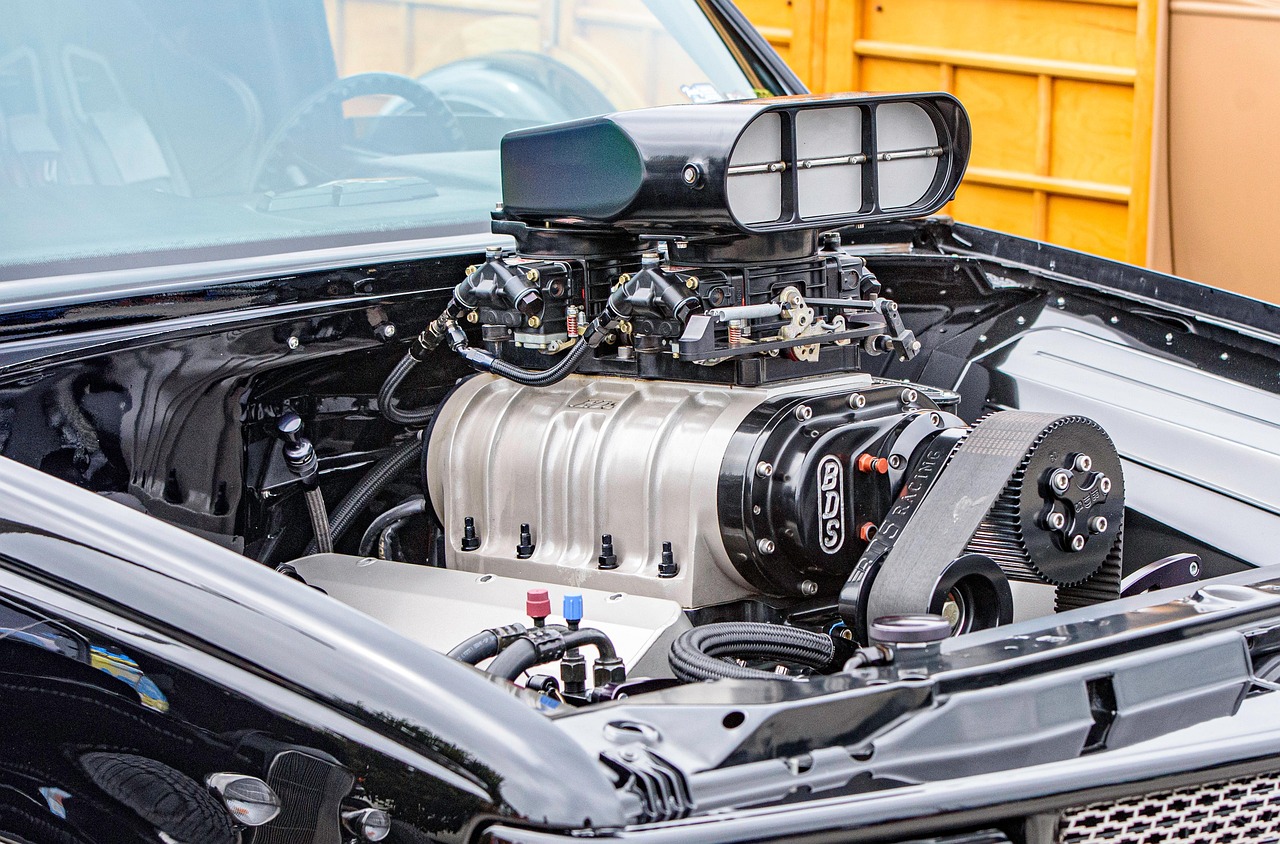
Acceleration depends on the power your engine produces. The more power available, the quicker your car can accelerate. Here’s how a supercharger contributes:
- Increased horsepower: By forcing more air into the combustion chamber, a supercharger allows for more fuel combustion, resulting in higher horsepower.
- Better torque at low RPMs: Because a supercharger is mechanically driven, it delivers additional torque almost instantly, helping your car accelerate faster from a stop.
- Immediate throttle response: Unlike turbochargers, which may have a slight lag, superchargers give power as soon as you press the accelerator.
In short, a supercharger essentially gives your engine a boost, helping it generate more power more quickly.
Types of Superchargers
Not all superchargers are the same. Understanding the main types can help you see how they influence acceleration:
- Roots-type supercharger: This is the classic design that uses meshing lobes to push air into the engine. It delivers immediate low-end torque, making it great for street performance.
- Twin-screw supercharger: Similar to the Roots type, but compresses air internally, which increases efficiency and reduces heat. Provides strong acceleration across a wide RPM range.
- Centrifugal supercharger: This one works like a turbo but is mechanically driven. It tends to produce more power at higher RPMs, making it ideal for track-focused cars.
Each type has its strengths, so choosing the right one depends on your performance goals and driving style.
How Much Acceleration Gain Can You Expect?
The boost a supercharger provides varies depending on the engine and the type of supercharger. On average:
- Street cars may see a 20–50% increase in horsepower, which translates to noticeably quicker acceleration.
- Performance-focused setups can sometimes see 60–100% gains, dramatically reducing 0–60 times.
- Torque improvements often mean your car feels more responsive, even if top speed doesn’t change dramatically.
It’s important to note that acceleration gains depend not just on the supercharger but also on engine tuning, fuel quality, and supporting modifications.
Why Superchargers Deliver Instant Power
One of the key reasons superchargers are popular for acceleration is their mechanical connection to the engine. Because they’re belt-driven:
- They spin at a rate proportional to engine speed.
- There’s no waiting for exhaust gases to build up, unlike turbos.
- Drivers experience consistent power across the RPM range.
This means a supercharged car feels more responsive in everyday driving situations, not just on the track.
How a Supercharger Works Step by Step
Let’s break it down simply:
- Air intake: The supercharger draws air into the system.
- Compression: The air is compressed to increase density.
- Delivery: Compressed air enters the engine’s combustion chamber.
- Fuel mixing: More fuel is added to match the increased air.
- Ignition: The fuel-air mixture burns more powerfully, producing higher horsepower and torque.
This process repeats thousands of times per minute, giving your car that instant acceleration boost.
Are Superchargers Better Than Turbochargers for Acceleration?
Many people wonder whether a supercharger or a turbocharger is better for performance. Here’s a quick turbo vs supercharger comparison:
| Feature | Supercharger | Turbocharger |
| Power delivery | Instant | Slight lag (boost builds with RPM) |
| Complexity | Moderate | High (requires exhaust plumbing) |
| Maintenance | Lower | Higher |
| Acceleration focus | Strong at low RPMs | Strong at high RPMs |
| Fuel efficiency | Slightly lower | Can be better with tuning |
For drivers seeking immediate throttle response and strong low-end acceleration, superchargers are often the preferred choice.
Benefits of a Supercharger Beyond Acceleration
While acceleration is the main selling point, superchargers offer other advantages:
- Improved overall engine performance: More air and fuel allow the engine to operate more efficiently at higher loads.
- Enhanced towing capability: Extra torque can help when pulling heavy loads.
- Resale appeal: Performance upgrades like superchargers can increase a car’s desirability for enthusiasts.
However, it’s also worth considering the trade-offs, including fuel consumption and potential engine wear.
Common Myths About Superchargers
Before investing, it’s good to separate fact from fiction:
- Myth: Superchargers always reduce fuel economy – While they do increase fuel use under heavy acceleration, modern tuning can mitigate excessive consumption.
- Myth: Superchargers are only for racing cars – Many street cars benefit from superchargers without needing a track.
- Myth: Superchargers are unreliable – Properly installed and maintained superchargers are very durable.
Knowing the truth helps you make a more informed decision.
Installation and Maintenance Basics
Installing a supercharger isn’t a simple bolt-on in most cases. Key considerations include:
- Engine tuning: Adjustments to fuel maps and ignition timing are often required.
- Supporting modifications: Upgraded fuel pumps, intercoolers, or exhaust systems may be necessary.
- Regular maintenance: Check belts, pulleys, and oil (some superchargers are oil-lubricated) to ensure longevity.
Failure to maintain a supercharger properly can reduce performance and engine life.
Is a Supercharger Worth It?
Deciding whether to add a supercharger depends on your goals:
- Track enthusiasts: A supercharger can drastically improve lap times and acceleration off the line.
- Street drivers: You’ll get improved responsiveness and fun driving dynamics, though fuel costs may increase.
- Budget-conscious buyers: Superchargers can be expensive to buy and install, so consider whether the performance gain justifies the cost.
It’s also worth comparing with other performance upgrades like turbochargers, performance chips, or even lighter wheels.
How Driving Experience Changes With a Supercharger

Here’s what you can expect once your car is supercharged:
- Faster response when pressing the accelerator.
- More consistent torque across the RPM range.
- A noticeable “boost” feeling, especially during overtakes or rapid acceleration.
- Slightly louder engine noise, depending on your setup.
Many drivers describe the experience as “transformative,” especially if coming from a naturally aspirated engine.
Signs Your Car Could Benefit From a Supercharger
Not every car needs a supercharger. Some signs that it could help include:
- Sluggish acceleration despite engine upgrades.
- Frequent towing or heavy-load driving.
- Desire for stronger performance without major engine rebuilding.
- Interest in performance upgrades that are reversible or aftermarket-friendly.
If any of these apply, a supercharger might be a good investment.
Safety Considerations
Boosting your engine’s power comes with responsibility. Key safety tips:
- Ensure brakes and suspension are upgraded to handle increased power.
- Use high-quality fuel to prevent knocking.
- Don’t push the car to maximum boost immediately; allow break-in periods for components.
Proper setup ensures that the car remains safe and reliable while benefiting from a supercharger.
Questions About Superchargers
Will a supercharger damage my engine?
When properly installed and maintained, superchargers are safe. Problems usually come from poor installation, incorrect tuning, or neglect.
How much does a supercharger installation cost?
Costs vary widely. Expect $5,000–$10,000 for parts and labor on most street cars, though high-end or custom setups can be much more.
Can I install a supercharger myself?
While some kits are designed for DIY enthusiasts, most installations require professional tuning and adjustments to ensure engine safety and performance.
Do superchargers affect fuel economy?
Yes, under heavy acceleration, fuel consumption increases. However, normal driving may see only minor differences.
The Bottom Line
So, what does a supercharger do to boost your car’s acceleration? The answer is simple: it forces more air into your engine, allowing more fuel to be burned and generating more power and torque. The result is faster acceleration, better throttle response, and a more thrilling driving experience.
While superchargers aren’t for everyone—they require investment, maintenance, and careful tuning—they can dramatically transform your car’s performance when done right. Whether you’re a street enthusiast or a track-focused driver, understanding what a supercharger does is the first step to deciding if it’s the right upgrade for your vehicle.
